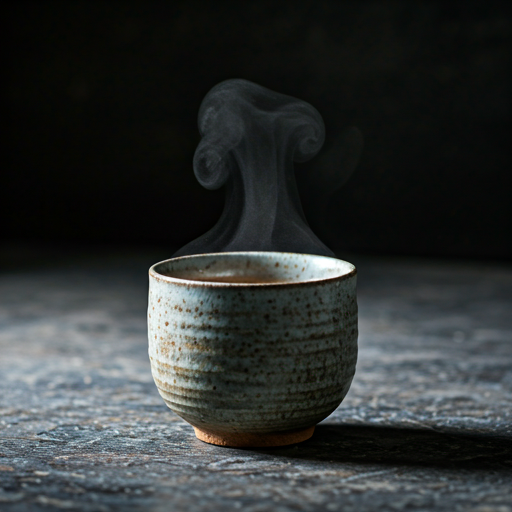
The Gateway to Song Dynasty Aesthetics: Choosing Your First Jianzhan
Stepping into the world of Jianzhan (often revered in Japan as Tenmoku) is like opening a door to an ancient, fiery universe. Born in the fierce, 1300-degree Celsius kilns of the Song Dynasty (960–1279 AD) in Jianyang, Fujian Province, these mesmerizing ceramic bowls were once the favored vessels of emperors and elite tea masters. Today, they continue to captivate collectors, tea enthusiasts, and art lovers worldwide. However, with their profound history, complex firing techniques, and a market filled with varying qualities, purchasing your first Jianzhan can feel overwhelming.
How do you distinguish a mass-produced imitation from a handcrafted masterpiece? Which glaze pattern aligns best with your personal aesthetic and beverage of choice? What should a high-quality cup feel like in your hands? This ultimate Jianzhan buying guide is designed to demystify the process. We will walk you through the essential elements—from clay composition and glaze identification to shape selection and practical care—ensuring you have the knowledge to select a Tenmoku cup that will elevate your daily rituals for a lifetime.

Section 1: Understanding the DNA of Authentic Jianzhan
Before diving into the visual aesthetics, it is crucial to understand what makes a Jianzhan biologically—or rather, geologically—unique. The magic of Tenmoku does not come from painted patterns; it comes from the raw materials and the volatile alchemy of the kiln.
The "Iron Bone" (Tie Tai)
The defining characteristic of an authentic Jianzhan is its high iron content. The clay sourced from the Jianyang region contains an exceptionally high percentage of iron—typically between 7% and 10%. This robust, coarse clay is what gives the cup its heavy, grounding weight and its dark, almost black, unglazed foot ring.
When choosing a cup, pay close attention to the exposed base (the foot). It should feel slightly rough to the touch, resembling cast iron or dark slate. This "iron bone" is not just a hallmark of authenticity; it is the functional core of the cup. The dense iron body acts as a thermal battery, providing unparalleled temperature retention. Furthermore, this specific clay composition is responsible for the subtle water-softening effect that enthusiasts prize so highly. For instance, if you are curious about expanding its use beyond traditional tea, exploring the science behind drinking coffee in a Jianzhan cup reveals how the iron glaze neutralizes acidity and smooths out the beverage's texture.
The Alchemy of Reduction Firing
The stunning patterns on a Tenmoku cup are not drawn; they are coaxed out by fire. Authentic pieces are fired in a reduction atmosphere (an oxygen-deprived environment) at extreme temperatures exceeding 1300°C (2370°F). During this intense process, the iron in the glaze melts, bubbles to the surface, and crystallizes as the kiln cools. This organic, uncontrollable process means that no two authentic Jianzhan cups will ever be exactly alike. When you buy a handcrafted Tenmoku bowl, you are literally acquiring a one-of-a-kind snapshot of a 1300-degree fire.
Section 2: Decoding the Magnificent Glazes
The glaze is the visual soul of the Jianzhan. When selecting your first cup, the glaze pattern is usually the most personal and exciting decision. Here is a breakdown of the classic and modern glaze categories you will encounter.
1. Hare’s Fur (Tu Hao)
Hare’s Fur is the most iconic and historically significant of all Jianzhan glazes. As the iron-rich glaze melts in the kiln, it runs down the sides of the bowl, leaving delicate, cascading streaks that resemble the fine pelt of a rabbit. These streaks can range from subtle silver and golden-brown to deep, striking blue.
- Visual Vibe: Classic, elegant, and understated.
- Best For: Purists and history lovers. Hare's Fur provides a beautiful, textured backdrop that magnifies the clarity of light-colored teas.
2. Oil Spot (Yu Di)
Oil Spot glazes are characterized by distinct, metallic, circular crystallizations that scatter across the dark surface like oil droplets on water. These spots catch the light, shimmering with silver, gold, or iridescent blue hues. Creating a perfect Oil Spot requires incredibly precise temperature control, making flawless pieces highly sought after.
- Visual Vibe: Luxurious, striking, and dynamic.
- Best For: Those who want a visually arresting piece. When filled with liquid, the oil spots act as tiny mirrors, creating a mesmerizing three-dimensional effect.
3. Yohen (Starry Universe)
Yohen (meaning "changed by the fire") is the holy grail of Tenmoku glazes. True Yohen pieces feature burst-like spots surrounded by brilliant, iridescent halos of blue, purple, and gold. The glaze looks like a deep-space nebula. Historically, only a few intact Song Dynasty Yohen bowls survive today (primarily held as National Treasures in Japan).
- Visual Vibe: Cosmic, mysterious, and awe-inspiring.
- Best For: Collectors and those who want a show-stopping centerpiece for their tea table.
4. Partridge Spot (Zhe Gu Ban)
Similar to Oil Spot but generally featuring larger, sometimes feathered or mottled white and grey markings that resemble the breast feathers of a partridge bird. It offers a slightly more rustic, organic aesthetic compared to the sharp metallic glazes of the Oil Spot.
- Visual Vibe: Earthy, natural, and poetic.
5. Blooming Crystal (Bai Hua)
A modern innovation built upon traditional techniques, Blooming Crystal glazes feature large, distinct, flower-like crystallizations that bloom across the surface of the cup. These are incredibly difficult to fire successfully and offer a stunning, almost 3D floral visual.
- Visual Vibe: Artistic, vibrant, and contemporary.
Section 3: Deciphering the Shape
The form of the cup profoundly impacts both how you hold it and how the beverage tastes. The Song Dynasty artisans perfected several classic shapes, each serving a distinct functional purpose.
The Shu Yao (Funnel/Conical Shape)
This is the quintessential Song Dynasty shape. The cup has a wide mouth that tapers sharply down to a narrow base, resembling a funnel or a bamboo hat. Historically, this wide surface area was designed to allow the whisked foam of powdered tea (matcha) to expand, while the narrow bottom pooled the remaining liquid.
- Pros: Excellent for admiring the tea liquor and the interior glaze. Allows the tea to cool quickly at the surface while retaining heat at the bottom.
- Cons: Can feel slightly precarious to hold for beginners due to the narrow base.
The Lian Hua (Lotus/Deep Bowl Shape)
Featuring a more rounded, bulbous belly and a slightly inward-curving rim, the Lotus shape provides a secure, comforting grip. The deeper belly holds heat exceptionally well and concentrates the aromas of the beverage, directing them straight to your nose.
- Pros: Very comfortable to hold with both hands. Superior heat retention. Excellent for highly aromatic teas.
The Pie Kou (Trumpet/Flared Rim Shape)
In this design, the rim flares outward like a trumpet. This ergonomic curve fits perfectly against the lower lip, making the act of sipping incredibly smooth. The flared rim also beautifully displays the cascading effects of glazes like Hare's Fur.
- Pros: The most comfortable shape for drinking. Beautifully showcases glaze dynamics.

Section 4: Handcrafted vs. Mass-Produced: How to Spot the Difference
As Jianzhan has surged in popularity, the market has flooded with cheap, machine-made slip-cast imitations that are fired in electric kilns with chemical colorants. Here is how to ensure your first purchase is an authentic, handcrafted piece.
1. Weight and Density
Pick up the cup. An authentic Jianzhan, made from Jianyang iron-clay, will feel surprisingly heavy for its size. The walls are thick, and the base is substantial. If the cup feels light, thin, or delicate like standard porcelain, it is not authentic Jianzhan.
2. The "Glaze Tear" (You Lei)
Because the glaze is applied thickly and melts at 1300°C, it naturally flows downward during firing. On handcrafted pieces, the artisan must carefully calculate the glaze application so that it flows beautifully but stops just short of the unglazed foot ring. Often, this results in thick, bulbous drops of glaze near the base, known as "glaze tears." This organic, imperfect edge is a hallmark of manual glazing and high-temperature firing. Machine-made cups often have a perfectly straight, razor-sharp line where the glaze ends.
3. The Foot Ring (Di Zu)
Examine the unglazed bottom of the cup. A handcrafted piece will show the raw, coarse texture of the iron clay. You might see subtle, irregular marks from the potter's trimming tool. The transition between the glazed body and the unglazed foot should look natural. Slip-cast fakes often have a perfectly smooth, uniform, and artificially colored base.
4. Crystal Depth
In authentic reduction-fired Jianzhan, the patterns (like oil spots) are deeply embedded within the glass-like matrix of the glaze. If you run your finger over the surface, it should feel smooth and vitrified, even though the pattern looks 3D. Cheap imitations often use painted-on chemical patterns that sit flat on the surface and can sometimes be felt as raised bumps.

Section 5: Matching the Cup to Your Routine
While a great Tenmoku cup can handle any beverage, considering what you drink most often can help narrow your choice.
For Green and White Teas: As we detailed in our guide on finding the perfect vessel for spring tea, lighter brews benefit beautifully from the thermal stability of these dense bowls. Consider a darker glaze like Yohen or a deep blue Hare's Fur. The dark background provides a stunning visual contrast, making the pale jade or golden tea liquor pop brilliantly.
For Oolong and Pu-erh: These teas often require high temperatures and have rich, dark liquors. A Lotus-shaped cup will help concentrate the complex aromas of an aged Pu-erh or a roasted Oolong, while a classic silver Oil Spot glaze will look incredible against the deep amber tea.
For Matcha: If you whisk matcha, a wide-mouthed Conical (Shu Yao) shape is essential to give your bamboo whisk (chasen) enough room to create a thick, creamy froth.
Section 6: Setting a Budget and Expectations
The price of Jianzhan varies wildly, ranging from $30 for entry-level pieces to tens of thousands of dollars for master-crafted works. For your first cup, we recommend looking at the $60 to $150 range. In this tier, you can confidently acquire a fully handcrafted, high-temperature reduction-fired piece from a skilled artisan in Jianyang. These cups offer all the structural and aesthetic benefits of authentic Tenmoku.
As you move into higher price brackets, you are paying for the reputation of a specific master potter, the rarity of a flawless glaze (like a perfect Yohen or an incredibly dense Oil Spot), and the prestige of certification.

Conclusion: The Journey of "Raising" Your Cup
Buying your first Jianzhan is not the end of the transaction; it is the beginning of a relationship. One of the most rewarding aspects of owning a Tenmoku cup is the process of "Yang Zhan" (raising the cup).
With daily use, the micro-pores and crystalline structures of the glaze will interact with the oils and minerals in your tea. Over weeks and months, you will notice the cup developing a subtle, iridescent patina. A silver oil spot might develop a golden halo; a dark hare's fur might begin to shimmer with hidden depths. By choosing a high-quality, authentic piece from the start, you ensure that your cup will not just endure, but will actively evolve, becoming more beautiful with every pour. Welcome to the world of Jianzhan.