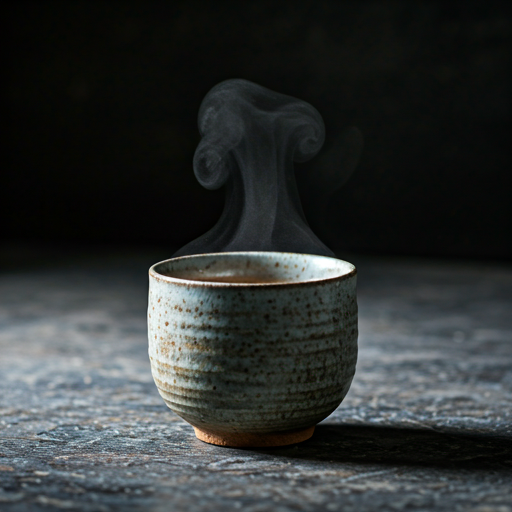
The Modern Intersection of Ancient Ceramics and Specialty Coffee
For centuries, the Jianzhan (or Tenmoku) cup has been the undisputed king of the traditional tea ceremony. Born in the fierce, 1300-degree kilns of the Song Dynasty, these iron-rich, dark-glazed bowls were specifically engineered to elevate the experience of whisked matcha and, later, loose-leaf teas. But as global beverage cultures intertwine, a fascinating question has emerged among ceramic enthusiasts and baristas alike: Can you drink coffee in a Jianzhan (Tenmoku) cup?

The short answer is a resounding yes. In fact, drinking coffee from a Tenmoku cup is not just a quirky novelty; it is a profound sensory upgrade. The same physical and chemical properties that make Jianzhan the perfect vessel for delicate spring teas and robust aged pu-erh also work their magic on specialty coffee. In this comprehensive guide, we will explore the science, the sensory benefits, and the aesthetic brilliance of combining ancient Chinese teaware with your modern coffee ritual.
The Science of the Vessel: How Jianzhan Interacts with Coffee
To understand why coffee tastes different—and arguably better—in a Tenmoku cup, we must look beyond the beautiful, starry glazes and examine the raw materials and firing techniques used to create these masterpieces.
The Iron-Rich Clay and Water Softening
Authentic Jianzhan is crafted from local clay sourced from Jianyang, Fujian Province. This specific clay is famously high in iron content. During the extreme high-temperature firing process in a reduction atmosphere, the iron within the glaze crystallizes, forming the iconic patterns we recognize as Hare's Fur, Oil Spot, and Yohen. However, this iron content does more than just look beautiful.
When you pour a hot liquid into a Tenmoku cup, the microscopic iron crystals on the surface subtly interact with the water molecules. Tea masters have long praised Jianzhan for its ability to "soften" water, making the texture of the beverage feel rounder, thicker, and more viscous on the palate. When applied to coffee—a beverage composed of 98% water and hundreds of volatile flavor compounds—this softening effect is remarkable. The iron glaze acts as a buffer, gently smoothing out harsh, astringent edges, and allowing the intrinsic sweetness of the coffee bean to step forward.
Thermal Mass and Temperature Stability
Temperature is a critical variable in coffee appreciation. A common complaint with thin ceramic mugs or glass servers is that the coffee cools down too rapidly, causing the acidity to spike and the flavor profile to collapse into sourness. A Tenmoku cup solves this problem through sheer physics.
Jianzhan bowls are characterized by their substantial weight and thick walls. This dense, iron-heavy ceramic body acts as a powerful thermal battery. If you pre-warm your Tenmoku cup with boiling water before pouring your coffee, the thick walls will absorb and hold that heat, releasing it back into the coffee at a slow, consistent rate. Whether you are sipping a concentrated espresso or a delicate pour-over, the temperature remains stable, allowing you to experience the full spectrum of flavors as the coffee cools gracefully.
Vitrification vs. Porosity
A common concern is whether the coffee will permanently stain or ruin the cup. Unlike unglazed Yixing clay teapots, which are highly porous and designed to absorb the oils and flavors of a single type of tea over decades, Jianzhan is fired at much higher temperatures (exceeding 1300°C). This extreme heat causes the glaze to vitrify, turning it into a dense, glass-like surface.
Because the glaze is vitrified, it will not absorb coffee oils in a way that ruins the cup. It remains incredibly easy to clean and will not retain stale coffee flavors, making it a safe and hygienic choice for your morning brew.

Taste Test: Elevating Different Coffee Profiles
The impact of a Tenmoku cup on your coffee is not subtle. Depending on the roast level and brewing method, the cup can drastically alter how you perceive the final beverage.
Light Roasts and Filter Coffee
Specialty light roasts, such as a washed Ethiopian Yirgacheffe or a natural processed Panamanian Geisha, are prized for their bright acidity, floral aromas, and delicate fruit notes. However, if not brewed perfectly, this acidity can sometimes read as sharp or tart. Serving a pour-over in a Jianzhan cup mellows the citric and malic acids. The bright, sharp notes are rounded into a smoother, more integrated sweetness, while the wide brim of the bowl allows the volatile floral aromatics to expand and reach your nose simultaneously as you take a sip.
Dark Roasts and Espresso
For lovers of traditional, dark-roasted coffees or intense espresso shots, the Tenmoku cup offers a different kind of magic. Dark roasts often carry heavy, chocolatey, and sometimes slightly bitter or ashy notes. The iron-rich glaze of the Jianzhan helps to neutralize the harsh bitterness, emphasizing the deep cocoa, caramel, and nutty characteristics of the roast. The thick rim of the cup also provides a luxurious, weighty tactile sensation that perfectly complements the heavy body of a dark roast.
The Visual Symphony: Crema and Cosmic Glazes
We taste first with our eyes, and the visual pairing of coffee and Jianzhan is nothing short of spectacular. Traditional white porcelain coffee cups are designed to showcase the color of the brew, but they offer little in the way of dramatic contrast.
When you pull a shot of espresso into a dark Yohen or Oil Spot Tenmoku bowl, the visual interaction is mesmerizing. The rich, golden-hazelnut color of the coffee crema stands out vividly against the deep indigo, black, or metallic silver background of the glaze. As you swirl the coffee, the crema clings to the crystalline streaks of the Hare's Fur patterns, creating a dynamic, swirling galaxy in your hands. The dark surface of the cup also acts as a mirror for the coffee's surface, reflecting ambient light and enhancing the rich, glossy texture of the brew.
Dedicated Vessels: Tea vs. Coffee
While you absolutely can drink coffee in a Jianzhan cup, there is one important caveat for serious beverage purists: cross-contamination of aroma.
Although the vitrified glaze does not absorb liquid, coffee contains incredibly strong, volatile oils that can leave a microscopic residue on the surface of the cup. If you drink a heavy, dark-roast coffee in your Tenmoku cup in the morning, and then try to drink a highly delicate, grassy Spring Green Tea from the same cup in the afternoon, you may detect a faint ghost of the coffee's aroma.
For this reason, many collectors choose to dedicate specific cups to specific beverages. Just as you might have a dedicated teapot for ripe pu-erh and another for light oolong, it is highly recommended to designate one of your Tenmoku cups exclusively for your coffee rituals. Over time, the continuous use of coffee will even begin to "raise" the cup, gradually imparting a warm, vibrant patina to the glaze, much like tea does.

How to Care for a Coffee-Dedicated Tenmoku Cup
Maintaining a Jianzhan cup used for coffee is straightforward, but requires a gentle touch to preserve the delicate crystalline structures of the glaze.
- Immediate Rinsing: Coffee oils can become sticky as they cool. Make it a habit to rinse your cup with hot water immediately after you finish your drink.
- Avoid Harsh Detergents: Do not use abrasive sponges or heavy chemical dish soaps. A soft cloth and hot water are usually all you need. If coffee oils build up over time, a tiny drop of mild, unscented soap can be used, followed by a thorough rinsing.
- No Dishwashers: The harsh environment of a dishwasher can dull the vibrant metallic sheen of a Tenmoku glaze. Always hand wash your artisan ceramics.
- Air Dry: After washing, wipe the cup gently with a clean microfiber towel or let it air dry completely before storing it in a well-ventilated space.

Conclusion: Redefining the Morning Routine
The decision to drink coffee in a Jianzhan (Tenmoku) cup represents a bridge between distinct cultural traditions. It takes the fast-paced, highly caffeinated modern coffee routine and forces it to slow down, demanding mindfulness and appreciation. The heavy, grounding weight of the iron clay, the heat radiating into your palms, the softening of the brew's acidity, and the visual contrast of golden crema against a starry glaze all combine to create a deeply luxurious experience.
If you have only ever experienced your morning coffee from a standard ceramic mug or a paper to-go cup, trying it in a masterpiece of Song Dynasty engineering will be a revelation. It is proof that true craftsmanship transcends its original purpose, offering beauty and enhanced flavor to whatever you choose to pour into it.