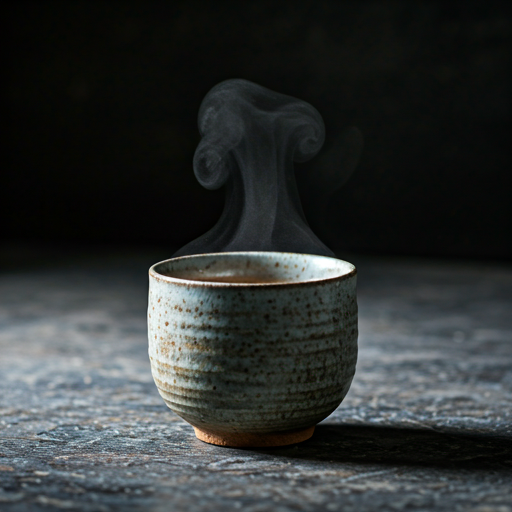
If you are diving into the fascinating world of traditional tea culture, ceramics, and ancient Asian history, you have likely encountered two very famous names for beautiful, dark, iron-glazed pottery. But in the ongoing debate of Tenmoku vs. Jianzhan, what is the real difference? Are they two distinct styles of pottery, or are they simply different names for the exact same legendary tea cup?
For beginner tea enthusiasts and veteran ceramics collectors alike, the terminology can be incredibly confusing. You might see a stunning black tea bowl with silver streaks marketed as a "Hare's Fur Tenmoku," while another seller offers an almost identical bowl under the name "Authentic Jianzhan." This overlap often leaves buyers wondering if they are purchasing the right piece, or if one term implies a higher level of quality and historical authenticity than the other.
In this comprehensive, expert-led guide, we will unravel the centuries-old history behind these two iconic words. We will trace their origins from the roaring kilns of Song Dynasty China to the serene Zen temples of ancient Japan, and finally, explain what these terms mean for modern collectors today. By the end of this article, you will be a more educated buyer, ready to choose the perfect tea bowl for your personal tea journey.
The Short Answer: Are Tenmoku and Jianzhan the Same?
For those looking for a quick, definitive answer to win a trivia night or settle a debate with a fellow tea lover: Yes and no. Historically speaking, they refer to the exact same type of iron-glazed tea bowl.
To put it as simply as possible:
- Jianzhan (建盏) is the original, historically accurate Chinese name for this specific type of pottery, named after the geographical location where it was invented and produced (the Jian Kilns in Fujian Province, China).
- Tenmoku (天目) is the Japanese pronunciation of a specific Chinese mountain (Mount Tianmu). It is the name given to these exact same Jianzhan bowls by Japanese monks who brought them back to Japan centuries ago.
So, a genuine antique Tenmoku bowl sitting in a Japanese museum is, by definition, a Jianzhan bowl that was exported from China. However, in the modern ceramics market, the two words have evolved to carry slightly different connotations, which we will explore in depth below.
The Origins of Jianzhan (建盏): The Chinese Root
To truly understand the "Tenmoku vs. Jianzhan" discussion, we must travel back in time over a thousand years to the Song Dynasty of China (960–1279 AD). This period is widely considered the golden age of Chinese ceramics, poetry, and, most importantly, tea culture.
The Song Dynasty and the Jian Kiln
In the lush, mountainous region of modern-day Jianyang, located in Fujian Province, China, ancient potters established a massive network of dragon kilns known as the Jian Kilns (Jianyao - 建窑). The soil in this specific region was uniquely rich in iron, possessing an iron content often exceeding 8%. When this local clay was shaped into bowls and fired at blistering temperatures exceeding 1300°C (2372°F) in an oxygen-deprived environment, it transformed into a heavy, dark, charcoal-colored ceramic body known as the "Iron Tire."
But the true magic happened in the glaze. The potters used a mixture of the same iron-rich local clay and plant ash. During the intense cooling process of the kiln, the iron oxides in the glaze would separate and crystallize on the surface, creating breathtaking, naturally occurring patterns. These unpredictable, three-dimensional patterns—ranging from the streaky lines of Hare's Fur (兔毫) to the metallic dots of Oil Spot (油滴)—made every single Jianzhan (literally translating to "Jian cup") an unrepeatable masterpiece.
The Culture of Whisked Tea (Dian Cha)
Why did dark, heavy bowls become the ultimate luxury item in the Song Dynasty? The answer lies in how tea was consumed. Unlike the steeped loose-leaf tea we drink today, the Song Dynasty elite practiced Dian Cha (点茶), the art of whisking powdered tea. This is the direct ancestor of the modern Japanese Matcha ceremony.
During competitive tea-tasting contests called Doucha (斗茶), participants would vigorously whisk finely ground green tea powder with boiling water until a thick, frothy, snow-white foam formed on top. The Emperor Huizong of Song, a famous tea aficionado, famously declared in his "Treatise on Tea" that the dark, bluish-black glaze of a Jianzhan was the absolute best vessel for tea, as its dark background perfectly highlighted the pure white foam of the whisked tea, and its thick iron walls kept the beverage hot for extended periods.
The Birth of Tenmoku (天目): The Japanese Journey
If the bowls were invented in Fujian, China, and called Jianzhan, how did the word "Tenmoku" become so globally recognized? For that, we must look to the powerful cultural exchange between China and Japan during the 12th and 13th centuries.
The Monks at Mount Tianmu
During the Kamakura period (1185–1333 AD) in Japan, many Japanese Zen Buddhist monks undertook treacherous sea voyages to China to study religion, philosophy, and meditation. A significant number of these monks resided and studied at the historic Buddhist temples located on Mount Tianmu (天目山 - Tianmu Mountain) in Zhejiang Province, China.
In these Chinese temples, the monks integrated the local tea-drinking practices into their daily religious rituals. They used the dark, iron-glazed Jianzhan bowls to drink whisked tea to stay awake during long hours of meditation. Deeply moved by the profound aesthetic of these dark bowls, which aligned perfectly with the Zen Buddhist appreciation for solemnity, simplicity, and the profound depths of nature, the Japanese monks brought these bowls back to Japan when they returned home.
Lost in Translation: From Tianmu to Tenmoku
When the monks returned to Japan, the local aristocracy and samurai class were captivated by these mesmerizing dark bowls. When asked where these magnificent ceramics came from, the monks naturally replied that they brought them from the temples of Mount Tianmu.
In the Japanese language, the Chinese characters for Mount Tianmu (天目) are pronounced as "Tenmoku." Thus, through a historical linguistic shift, the geographical origin of the monks' studies became the permanent name for the pottery itself. Over the centuries, "Tenmoku" became the standard Japanese term for these iron-glazed tea bowls.
As the Japanese tea ceremony (Chado or Sado) evolved under the guidance of tea masters like Sen no Rikyu, Tenmoku bowls were elevated to the highest possible status. In fact, of the few remaining "Yohen" (曜变 - meaning 'changed by the fire') Tenmoku bowls in existence—which feature a miraculous, starry-night galaxy pattern—all are currently held in Japan, and several have been officially designated as Japanese National Treasures.
Modern Differences: Does the Name Matter Today?
We have established that historically, in the debate of Tenmoku vs. Jianzhan, the two terms describe the exact same physical objects. However, language is a living thing, and in the modern ceramics market, these terms have developed subtle but important distinctions that every buyer should be aware of.
Jianzhan: The Strict Heritage Definition
In today's market, the term Jianzhan is generally used with strict geographical and historical reverence. When a piece is sold as authentic Jianzhan, it implies that the pottery was created specifically in Jianyang, Fujian (the original birthplace), using the authentic, local iron-rich mud and traditional firing techniques dating back to the Song Dynasty.
It represents an unbroken lineage of Chinese craftsmanship. A true Jianzhan is heavy, features the characteristic raw "iron tire" base, and relies entirely on natural wood-ash and iron-ore glazes without the use of modern chemical colorants.
Tenmoku: The Global Umbrella Term
Because Japanese aesthetics and terminology heavily influenced the Western understanding of Asian ceramics in the 20th century, the word Tenmoku has become a much broader, globally recognized umbrella term.
Today, a potter in a studio in California, London, or Kyoto might create a bowl using local white clay and apply a dark, iron-rich glaze to it. Even though it has no physical connection to the Jian Kilns of China, that potter will rightfully call their creation a "Tenmoku bowl" because it pays homage to that specific dark-glaze aesthetic. Therefore, "Tenmoku" today often refers to the style of the glaze rather than the strict geographical origin of the clay and craftsmanship.
Which One Should You Buy for Your Tea Journey?
Now that you are armed with the historical and modern context of Tenmoku vs. Jianzhan, which one should you choose for your personal tea collection? The answer ultimately depends on what you value most as a collector.
- If you value global artistic expression: You might enjoy collecting modern "Tenmoku" pieces from various international potters, appreciating how different cultures interpret the ancient dark-glaze technique using their own local clays and electric kilns.
- If you value historical authenticity and raw materials: You should specifically seek out authentic Jianzhan. There is an undeniable magic in holding a cup made from the exact same Jianyang iron-rich earth, fired using the same volatile, high-temperature reduction techniques as the cups held by Song Dynasty emperors.
At the end of the day, the name on the label is less important than the craftsmanship behind the cup. A high-quality iron-glazed bowl should feel substantial in your hand, feature a naturally crystallizing glaze with deep, 3D patterns, and produce a clear, metallic ring when lightly tapped.
If you are looking to experience the profound beauty of authentic Song Dynasty craftsmanship, we invite you to explore our curated collections at TenmokuCup.com. We specialize in sourcing genuine pieces that honor the true roots of this art form—bringing you cups that proudly carry the heritage of Jianzhan while being celebrated globally as the pinnacle of Tenmoku art.
Frequently Asked Questions About Tenmoku and Jianzhan
Is a Chawan the same as a Tenmoku cup?
Not exactly. "Chawan" (茶碗) is simply the Japanese word for "tea bowl." It is a broad category that includes many different styles of ceramics used in the Japanese tea ceremony. A Tenmoku cup is a specific, highly revered type of Chawan characterized by its dark iron glaze and conical shape. So, all Tenmoku bowls used for tea are Chawans, but not all Chawans are Tenmoku.
Why are Japanese Tenmoku bowls so famous?
Japanese Tenmoku bowls gained legendary status because Japanese monks and tea masters preserved and treasured the highest quality Chinese Jianzhan bowls brought over during the Song Dynasty. The rarest pieces, known as Yohen Tenmoku, are celebrated for their iridescent, cosmic-like spots and are considered priceless national treasures in Japan.
Can I use a Jianzhan or Tenmoku cup for everyday tea?
Absolutely! In fact, these cups are designed to be used. The thick iron clay is incredibly functional; it softens the water, making the tea taste sweeter and less bitter, while keeping your beverage hot. Whether you are whisking a vibrant green Matcha, brewing a dark Pu'er, or enjoying a roasted Oolong, using an authentic iron-glazed cup elevates the daily ritual of drinking tea into a profound sensory experience.