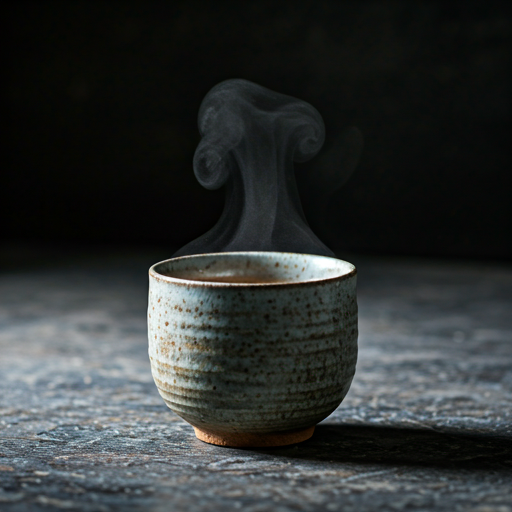
The Awakening of Spring: Rethinking Your Tea Ritual Vessels
As the frost thaws and the first green shoots emerge, the world of tea undergoes a magnificent transformation. Spring tea, often revered as the most anticipated harvest of the year, brings with it unparalleled freshness, delicate aromatics, and a vibrant energy that tea enthusiasts eagerly await. However, to truly capture the fleeting beauty of these early harvests—whether it is a tender green tea or a delicate silver needle white tea—the choice of your tea ritual vessels becomes paramount. While many instinctively reach for glass or thin porcelain to match the visual lightness of spring, there is a profound, often overlooked alternative that elevates the experience entirely: the Tenmoku cup.
At first glance, a Tenmoku bowl (or Jian Zhan), with its dark, galaxy-like glazes, substantial weight, and thick walls, might seem antithetical to the airy, bright nature of a Spring tea. Yet, this ancient ceramic tradition, born in the fiery kilns of the Song Dynasty, possesses unique physical and chemical properties that make it an extraordinarily complementary vessel for spring's most delicate leaves. In this comprehensive guide, we will explore the fascinating science, aesthetics, and sensory benefits behind Tenmoku cup uses, and uncover why they might just be the best cups for green tea and other spring varieties.

The Anatomy of a Tenmoku Cup: Forged in Fire
To understand why Tenmoku cups are perfectly suited for your Spring tea ritual, we must first look at how they are created. True Tenmoku, specifically Jian Zhan originating from Jianyang, Fujian Province, is crafted from local, iron-rich clay. This clay is robust, coarse, and contains an exceptionally high iron content.
The 1300-Degree Crucible
During the firing process, these cups are subjected to intense heat, often reaching temperatures upwards of 1300 degrees Celsius (2370 degrees Fahrenheit) in an oxygen-deprived (reduction) atmosphere. This extreme environment forces the iron within the glaze to crystallize and surface, creating the mesmerizing patterns we recognize today: the delicate streaks of Hare's Fur, the metallic drops of Oil Spot, or the iridescent, universe-like bursts of Yohen. But beyond aesthetics, this high-temperature firing creates a profoundly dense, vitrified ceramic structure that fundamentally changes how the cup interacts with water and heat.
Why Tenmoku is Among the Best Cups for Green Tea
Green tea, particularly the early spring harvests like Longjing (Dragon Well) or Bi Luo Chun, is notoriously sensitive. Water that is too hot will scorch the leaves, resulting in a bitter, astringent brew. Water that cools too rapidly will fail to extract the full spectrum of sweet, grassy amino acids. Here is where the specific properties of Tenmoku come into play.

Unparalleled Temperature Stability
The thick walls and dense iron-clay body of a Tenmoku cup act as a thermal battery. Unlike thin porcelain or glass, which immediately dissipate heat into the surrounding air, a pre-warmed Tenmoku bowl absorbs heat and releases it slowly and consistently. When you brew green tea at the optimal temperature (usually around 75°C to 80°C or 167°F to 176°F), pouring it into a Tenmoku cup ensures that the tea liquor maintains a stable, gentle warmth.
This slow cooling curve allows the drinker to experience the evolving flavor profile of the Spring tea without rushing. The amino acids—responsible for the umami and sweet notes in high-quality green tea—are preserved and pronounced. The tea does not become cold and flat quickly, making Tenmoku one of the best cups for green tea when you want to savor a slow, mindful tasting session.
The Iron Effect: Softening the Water
One of the most celebrated, albeit subtle, Tenmoku cup uses is its ability to alter the texture of the tea liquor. The microscopic iron crystals present on the surface of the glaze interact with the water. Experienced tea practitioners often note that tea drunk from a high-quality Jian Zhan feels softer, rounder, and more viscous on the palate.
Spring teas are prized for their delicate, sometimes sharp, floral and vegetal notes. The "water-softening" effect of the Tenmoku glaze gently rounds off any harsh edges or slight astringency, allowing the pure, sweet essence of the spring harvest to shine through. It is akin to using a fine equalizer on a stereo system; the cup diminishes the static and enhances the melody of the tea.
Aesthetic Contrast: Visualizing the Spring Tea Ritual
A significant part of any tea ritual is the visual enjoyment. There is a common misconception that light-colored teas must be served in white porcelain to appreciate their color. While white porcelain certainly displays the true hue of the liquor, Tenmoku offers a different, deeply philosophical visual experience.

The Dark Canvas
The dark glazes of Tenmoku—ranging from deep indigo and raven black to earthy browns—serve as a dramatic canvas for pale spring teas. When you pour a pale, jade-green Longjing or a shimmering, pale-gold Silver Needle into a black glaze, the contrast is striking. The surface of the tea liquor acts like a mirror, reflecting the ambient spring light, while the dark background highlights the clarity and brightness of the brew.
Revealing the Glaze
Furthermore, it is the tea itself that brings the Tenmoku cup to life. The patterns on a Jian Zhan are often subtle when dry. However, when filled with the clear, light liquid of a Spring tea, the refractive properties of the water magnify the crystals. Oil spots shimmer with hidden blues and silvers; hare's fur streaks gleam like golden threads. This dynamic interplay between the lively, fresh tea and the ancient, cosmic appearance of the cup creates a profoundly meditative aesthetic experience perfectly suited for a Spring tea ritual.
Expanding Tenmoku Cup Uses: Beyond Green Tea
While we have established why they are the best cups for green tea, Tenmoku bowls are incredibly versatile tea ritual vessels for other spring varieties as well.
Spring White Teas (Bai Hao Yinzhen, Bai Mudan)
Spring white teas are lightly oxidized and rely heavily on the preservation of their downy buds. They produce a delicate, sweet, and highly aromatic liquor. The thermal retention of Tenmoku helps gently coax out the honey and melon notes of a fine white tea. The dark glaze also beautifully contrasts with the tiny, silvery "hairs" (trichomes) from the tea leaves that often float in the liquor, resembling stars against a night sky.
Lightly Roasted Spring Oolongs (Tieguanyin, Baozhong)
Spring Oolongs are celebrated for their explosive floral aromas—think orchids, lilacs, and fresh spring rain. A slightly wider Tenmoku bowl allows these volatile aromatics to expand. As you raise the heavy, textured cup to your lips, the wide rim directs the floral bouquet straight to your olfactory receptors, providing a fully immersive sensory experience before the tea even touches your palate.
How to Structure Your Spring Tea Ritual with Tenmoku
To fully leverage your Tenmoku cups this spring, consider adopting a deliberate, mindful ritual. The changing of the seasons is an excellent time to reset your daily practices.
- Step 1: The Warm-Up. Because Tenmoku has a thick iron body, it requires thorough pre-warming. Pour boiling water into the cup and let it sit for a full minute before discarding. This wakes up the glaze and ensures the cup will hold the temperature of your delicate spring tea, rather than stealing its heat.
- Step 2: Mindful Brewing. Use a slightly lower water temperature for your spring green and white teas. Brew in a Gaiwan or a small teapot, focusing on the fresh, grassy aromas rising from the leaves.
- Step 3: The Pour and Observation. As you pour the tea into the dark Tenmoku vessel, observe the contrast. Watch how the pale green or golden liquor interacts with the crystalline glaze. Notice the steam rising against the backdrop of the dark ceramic.
- Step 4: The Tasting. Hold the cup with both hands. Feel the grounding weight of the iron-rich clay. Notice how the rim of the cup delivers the tea to your palate. Pay attention to the texture—is it softer? Rounder? Let the heat retention of the cup stretch the tasting experience, allowing you to sip slowly over several minutes.

Caring for Your Tenmoku During the Spring
A Tenmoku cup is a living vessel that evolves with use, a process known as "raising" the cup. Spring is a wonderful time to begin or continue this journey.
Because spring teas are generally lighter, they will not stain the cup as quickly as heavily roasted oolongs or dark pu-erh teas. However, the continuous use of green and white teas will gradually impart a subtle, vibrant luster to the glaze. To maintain your cup, simply rinse it with hot water immediately after your tea ritual and wipe it dry with a clean, soft tea towel. Avoid using harsh soaps or abrasive sponges, as these can damage the delicate crystalline structure of the glaze.

Conclusion: The Harmony of Opposites
The beauty of using Tenmoku cups as your primary tea ritual vessels for Spring tea lies in the harmony of opposites. It is the pairing of the ancient, fire-born, heavy iron clay with the young, delicate, water-nourished spring leaves. It is the deep, dark, starry night of the glaze cradling the bright, pale, dawn-like colors of the tea liquor.
By understanding the practical benefits of heat retention and water softening, and by embracing the dramatic visual contrast they offer, you unlock a new dimension in your tea appreciation. This spring, step away from the conventional glass and thin porcelain. Reach for a Tenmoku cup, and allow the profound depth of the vessel to elevate the fleeting, exquisite beauty of the season's finest teas.