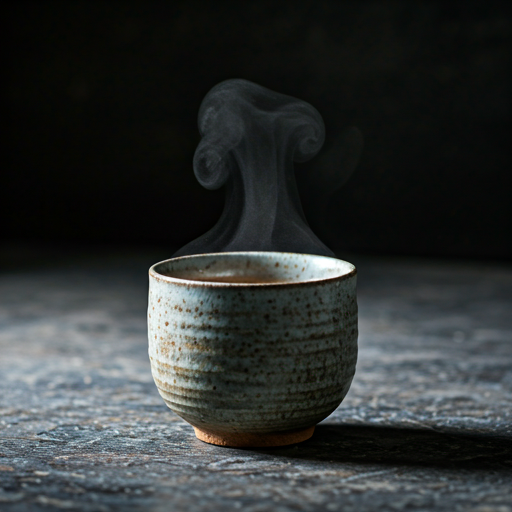
Every time you hold a shimmering, dark-glazed tea bowl, tracing its galaxy-like patterns or delicate silvery streaks with your eyes, you are connecting with a deeply rooted history that spans over a millennium. When tracing the origins of these magnificent black-glazed tea bowls, all historical and geographical roads lead to Tenmoku in Jianyang. While the world may know these captivating ceramics by their Japanese name, "Tenmoku," their true soul, their authentic clay, and their breathtaking inception belong to a quiet, mountainous region in southeastern China.
For collectors, tea masters, and pottery enthusiasts, understanding the geographical birthplace of these bowls is not just a matter of historical trivia; it is the ultimate key to authenticating real craftsmanship. In this comprehensive, expert-led guide, we will journey deep into the ancient Song Dynasty kiln sites of Fujian Province. We will explore the unique, iron-rich geology of the land, the rise of imperial tea culture, and how the rugged terrain of Jianyang gave birth to a ceramic legacy that eventually crossed the ocean to become a treasured global phenomenon.
Where is Jianyang? The Geography Behind the Glaze
To understand why authentic Tenmoku must come from Jianyang, we first need to look at a map. Jianyang (建阳) is a district situated in Nanping City, located in the northern part of Fujian Province, China. This region is characterized by rolling hills, dense forests, and a humid, subtropical climate. However, it is what lies beneath the surface of the earth and what grows on the mountainsides that made this specific location the undisputed capital of black-glazed pottery.
The geography of Jianyang provided ancient potters with the three perfect, irreplaceable ingredients needed to create the legendary Jianzhan (Jian tea bowls):
- The Red Earth (Iron-Rich Clay): The soil in the Shuiji Town area of Jianyang is famously red, a clear visual indicator of its extraordinarily high iron oxide content (often ranging between 8% and 10%). This is the foundational material for the "Iron Tire" (Tie Tai), the heavy, dark clay body that gives authentic Tenmoku its characteristic weight and heat-retaining properties.
- The Glaze Minerals: The local mountains provided specific mineral ores and limestone that, when combined with plant ash, created a glaze formulation uniquely suited to react with the iron-rich clay body.
- The Fuel (Pine Forests): The surrounding landscape was heavily forested with dense Masson pine trees. Pine wood is essential for firing Jianzhan because it burns exceptionally hot and fast, consuming the oxygen in the kiln to create the strict "reduction atmosphere" necessary to force the iron oxides to crystallize into stunning patterns.
Without the specific convergence of these three geographical elements in Jianyang, the magical crystallization of the glaze simply would not occur in the same spectacular way.
The Rise of the Song Dynasty Dragon Kilns
The history of Tenmoku in Jianyang reached its absolute zenith during the Song Dynasty (960–1279 AD). This era was marked by a profound shift in Chinese aesthetics. Moving away from the vibrant, multi-colored ceramics of the preceding Tang Dynasty, Song scholars and aristocrats embraced minimalism, naturalism, and subtle elegance.
The Era of Whisked Tea and Doucha
This aesthetic shift coincided with the rise of Dian Cha (the art of whisking powdered tea). During this time, the Chinese elite obsessed over tea-tasting competitions known as Doucha. Competitors would grind premium tea cakes into a fine powder, add boiling water, and whisk it furiously into a thick, snow-white froth.
The Emperor Huizong of Song, one of history's most devoted tea aficionados, famously declared that the dark, bluish-black bowls from Jianyang were the absolute best vessels for this practice. The dark glaze provided a stark, beautiful contrast that made it easy to judge the purity, thickness, and longevity of the white tea foam. Almost overnight, the Jian Kilns were elevated to imperial status.
The Massive Scale of Jianyao (Jian Kilns)
To meet the insatiable demand of the imperial court and the wealthy elite, the pottery industry in Jianyang exploded. Artisans built massive "Dragon Kilns" (Longyao)—long, tunnel-like brick kilns built on the slopes of the hills, some stretching over 100 meters (328 feet) in length. A single firing in these colossal kilns could accommodate tens of thousands of bowls at a time.
Today, archaeologists excavating the ancient Jian Kiln sites in Shuiji Town have uncovered mountains of discarded pottery shards. Because the failure rate of firing iron glaze at 1300°C is notoriously high, ancient potters ruthlessly discarded any bowl that did not meet the strict aesthetic standards of the time, leaving behind a massive historical footprint of their relentless pursuit of perfection.
Why the Clay of Tenmoku in Jianyang is Unmatched
Modern technology has allowed potters all over the world to build highly controlled electric and gas kilns. So, why do purists and collectors still insist that the best pieces must come from Jianyang? It comes down to the un-copyable nature of the local earth.
When you attempt to identify authentic Tenmoku vs. modern fakes, the clay body is your first clue. The unique Jianyang clay, when fired, undergoes a profound transformation. The high iron content causes the clay to vitrify (become glass-like) at extreme temperatures, resulting in a dark, coarse, and incredibly dense material.
During the cooling process, the iron in the glaze pulls from the iron in the clay body, migrating to the surface to form 3D crystals. If a potter tries to replicate this using standard white porcelain clay and artificial iron additives, the resulting bowl will feel suspiciously light, the sound it makes when tapped will be dull, and the glaze will often look flat and painted on, lacking the deep, layered iridescence of genuine Jianzhan.
From Jianyang to the World: The Monks' Journey
The story of Tenmoku in Jianyang did not end when the Song Dynasty fell and Chinese tea-drinking habits shifted from whisked powder to steeped loose leaves. Instead, the legacy was carried across the sea by devoted Japanese Zen Buddhist monks.
During the 12th and 13th centuries, these monks traveled to China to study at the sacred temples of Mount Tianmu (Tianmu Mountain) in Zhejiang Province. There, they drank tea from the dark Jianyang bowls to maintain their focus during meditation. Deeply moved by the profound, understated beauty of the dark glazes, they brought these bowls back to Japan.
Because the monks had studied at Mount Tianmu, the Japanese pronounced the name of the mountain as "Tenmoku." They applied this name to the beautiful black bowls. Through this historical linguistic journey, the magnificent Jianzhan created in the dragon kilns of Jianyang became globally immortalized under the name Tenmoku. The Japanese meticulously preserved these imported bowls, eventually incorporating them as the highest standard of vessel in the Japanese Tea Ceremony (Chado).
Modern Revival: The Artisans of Jianyang Today
For several centuries, the fires of the Jian Kilns went cold, and the precise techniques used to create the mesmerizing Hare's Fur and Oil Spot glazes were lost to time. It wasn't until the late 1970s and 1980s that a dedicated team of Chinese researchers, archaeologists, and local potters in Jianyang began a relentless campaign to revive this lost art.
Through decades of trial, error, and meticulous study of ancient shards excavated from the Shuiji kiln sites, the modern artisans of Jianyang successfully resurrected the traditional formulas. Today, Jianyang is once again a thriving hub of ceramic artistry, with master craftsmen utilizing the exact same local iron-rich clay and high-temperature reduction firing techniques as their Song Dynasty ancestors.
When you purchase an authentic piece of Tenmoku, you are not just buying a tea cup; you are acquiring a piece of resurrected history. At TenmokuCup.com, we are deeply committed to preserving this legacy. We source our collections directly from certified kilns and master artisans in Jianyang, ensuring that every Hare's Fur Tenmoku bowl and Oil Spot Jianzhan we offer is crafted from genuine "Iron Tire" clay and fired using traditional methods.
The journey from the red earth of Fujian to the tea tables of the world is a testament to the enduring power of ancient craftsmanship. By choosing authentic Tenmoku from its true birthplace, you become a part of this incredible, ongoing history.